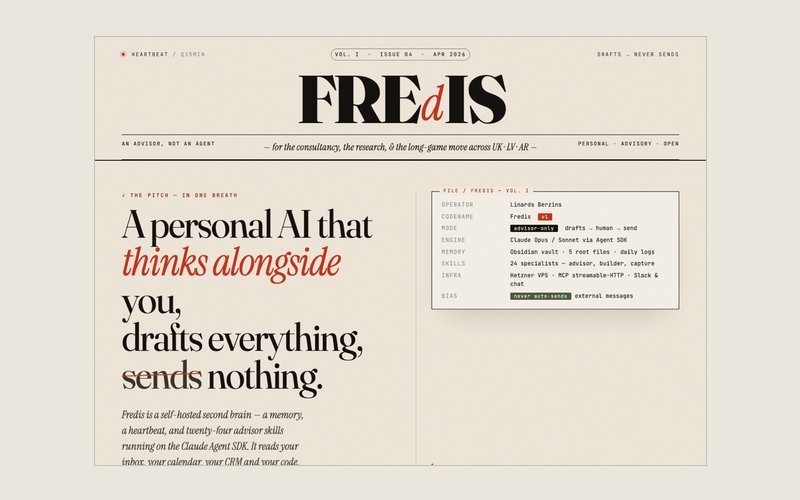
Personal ops · 2026
fredis
The AI second brain that runs my working day: research, notes and decisions carried across sessions. Every pattern the other four ship was proven here first.
Private system · ask me for the walkthrough
I design end to end, from flows to tokens, then build and live-test with a team of agents, so a testable product costs days, not quarters. Before that, a decade of customer experience for Audi, Volkswagen Group, O2 and SkyShowtime, all in email, design's most hostile medium.
An operations platform a city forwarded to its transport operator, an enterprise email platform, a live shop taking payments, a wellness app that drew investor interest, and the assistant that runs my day. Every flow and token is mine; the case studies open onto the real dashboards.
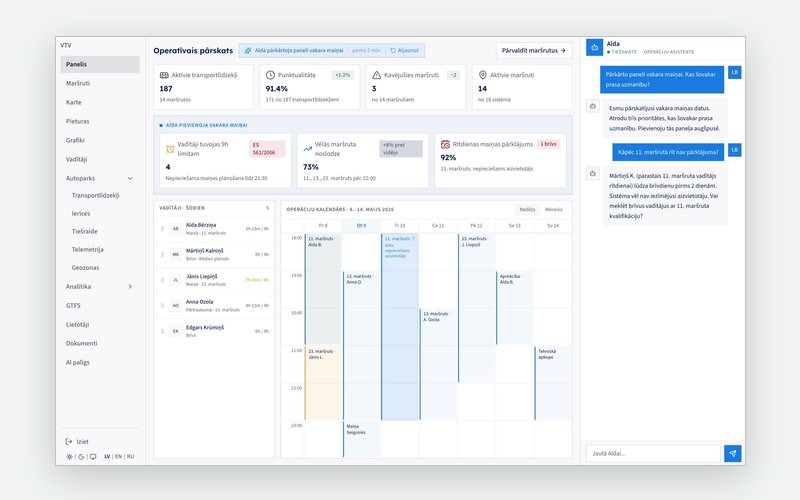
A transit operations platform for Riga's buses, pitched cold to City Hall. Bilingual, role-based, and built on one principle: the agent advises, humans decide.
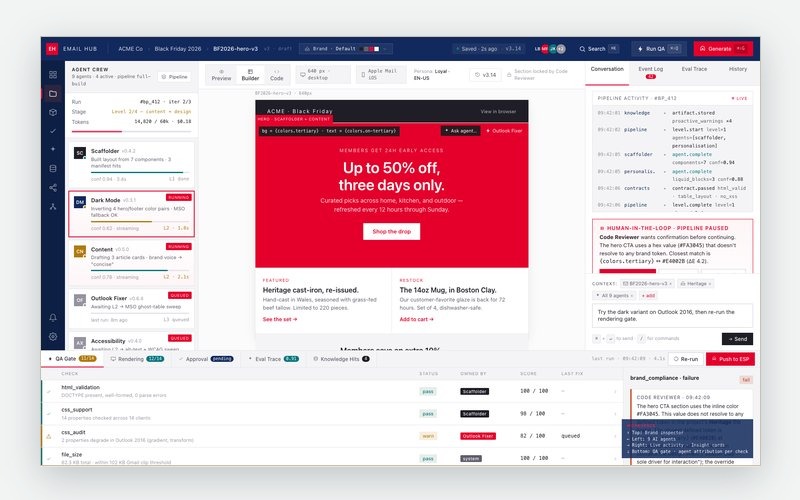
Nine AI agents scaffold, fix and review production email behind a ten-point quality gate, with design synced from Figma. Built around the hardest consistency problem I know.
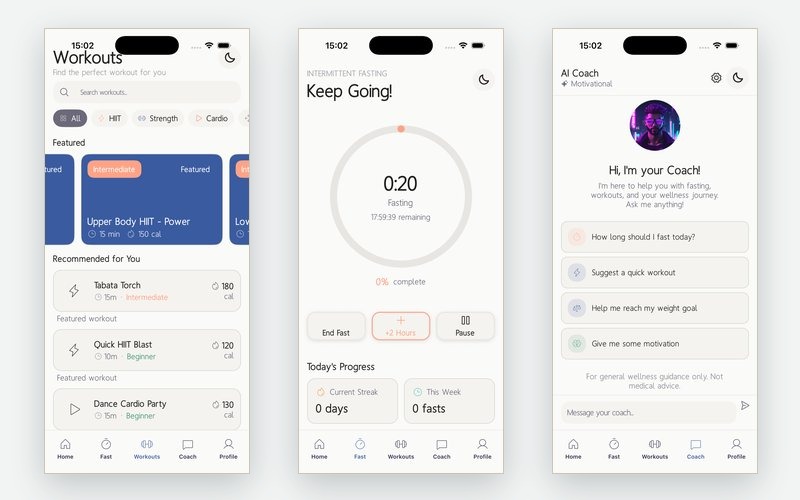
A wellness app pairing fasting with HIIT, coached by an AI with constitutional rules, cross-session memory and machine-judged quality. A cold outreach brought London investor interest.
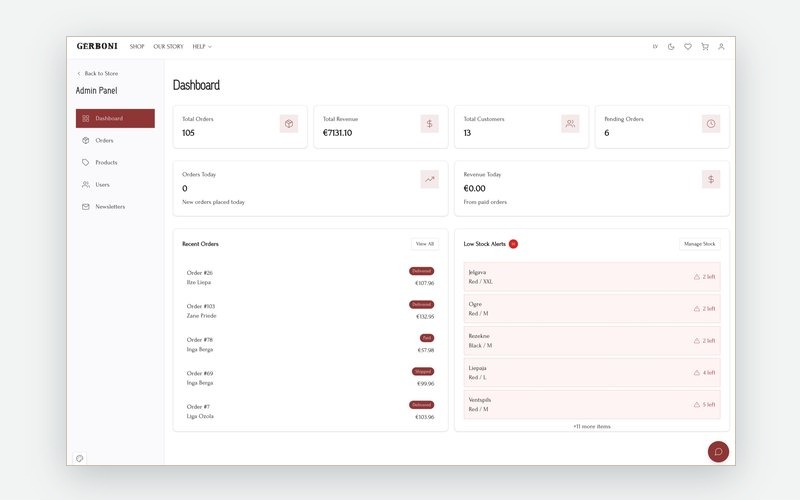
A live shop selling Latvian city heraldry and taking Stripe payments. The back office is designed like operational tooling, and the support agent can act on orders, not just apologise.
The AI second brain that runs my working day: research, notes and decisions carried across sessions. Every pattern the other four ship was proven here first.
A concept for Trainline: five working prototypes of one connected trip (the booking, the on-board hour, disruption and group travel), each with its decision log beside the glass. On its own subdomain.
Tokens, rules and voice written so an agent ships on-brand screens without a human pushing pixels. This site is built with one.
Automated checks behind every generated screen, so speed never gets to eat craft. Learned in email, where the gate had ten points.
Diverge in Figma, converge in code. When a testable product costs days, you probe more bets and kill the weak ones cheaply.
Every decision is logged with its rejects and, once tested, its result. Agents and designers query it before proposing, so the UX evolves on evidence and nothing gets rejected twice for reasons nobody wrote down.